

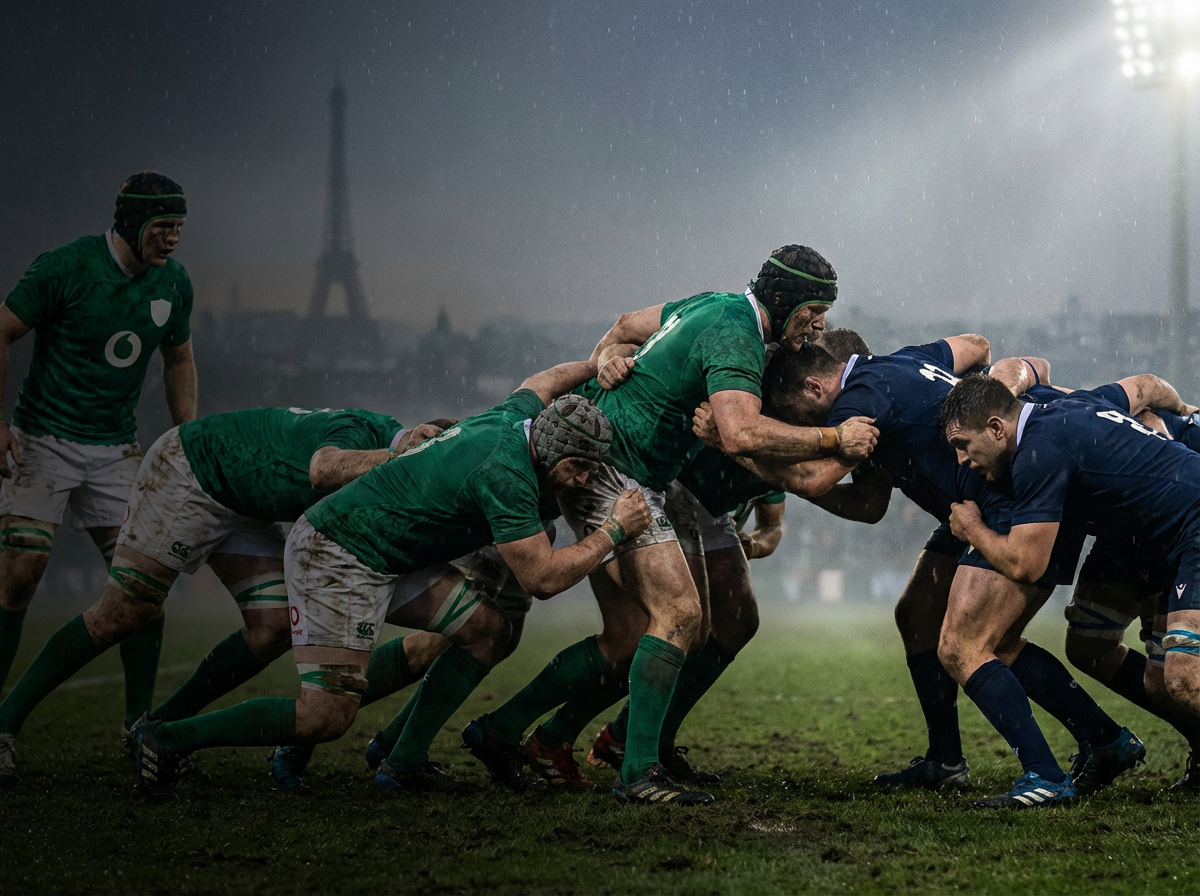
The Six Nations begins on a rare Thursday night as Ireland opens in France. Here’s the history, when Guinness’s became title sponsor, and why this opener matters.
The Six Nations doesn’t really arrive with a trumpet.
It shows up the way winter does: suddenly, even though you knew it was coming. The light goes earlier. The air sharpens. You start doing the math in your head. What day is it? What time is kick-off? Where will you be when it starts?
This year, it begins a little off-script: Ireland opens away to France on Thursday night, February 5, 2026, in Paris.
A Thursday match feels like borrowed time. Like the tournament is slipping into the week and taking a seat beside you without asking. It’s not a bad thing. It’s just different. And different can be memorable—especially when Paris is involved.
Because France on opening night isn’t a gentle way into the competition. It’s a door that swings open.
Before it was “Six,” it was a conversation between neighbors
The strange thing about the Six Nations is that it’s both modern and older than most people realize. It’s polished now—packaged, broadcast, scheduled around the rest of the sporting world—but its bones are still those of a regional tradition.
It began as the Home Nations Championship in 1883, a yearly test between England, Ireland, Scotland, and Wales. Four nations, tight geography, and enough shared history to make every match feel like a continuation of something unfinished.
Then France entered the story, and over time the tournament became the Five Nations—a phrase that still carries weight for anyone who grew up with it. Not because five is better than six, but because it reminds you the thing was once smaller, closer, and somehow even more personal.
When Italy joined in 2000, the modern tournament took its full shape. The name changed again, but the feeling stayed familiar: winter rugby, old rivalries, new permutations, and that steady drumbeat of fixtures that makes February and March feel like a season all their own.
Why Guinness fits here without forcing it
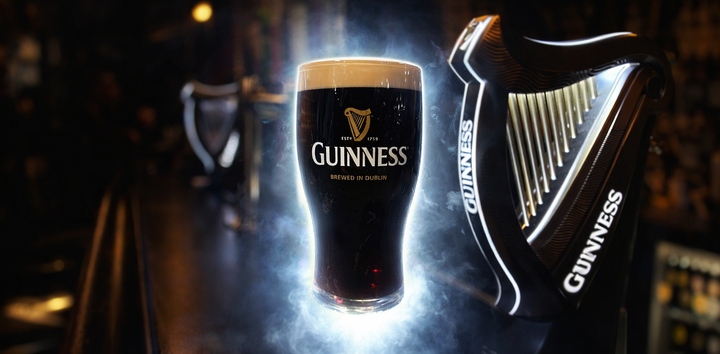
Guinness became the tournament’s title sponsor in 2019 (announced the year before). On paper, it’s a sponsorship deal.
In the real world, it’s something more subtle: a recognition of what was already true.
Because Guinness isn’t merely “what people drink while watching.” In Ireland especially, it has a way of shaping the room. It slows conversation just enough. It gives the night a rhythm: order, pour, settle, wait—then watch, react, argue, laugh, repeat.
The Six Nations is not just a set of matches. It’s a recurring gathering that moves between stadiums and screens and pubs, but always seems to land in the same place: people together, carrying their own histories into the night.
That’s why Guinness makes sense here. Not as branding. As atmosphere.
A rare Thursday opener: the tournament sneaks into the week
Most years, the Six Nations arrives on a Friday or a Saturday, as if it’s politely waiting for the weekend.
Not this time.
A Thursday match asks for a different kind of commitment. It turns an ordinary workweek into something you can feel in your chest. It pulls the tournament forward like it can’t wait.
There’s something honest about that. The Six Nations has never really belonged to the calendar. The calendar has always had to make room for it.
Ireland in France: where the tournament starts speaking in full sentences
Some fixtures ease you into the championship. They let you find your footing. They give you time to settle into the shape of the thing.
Ireland in France isn’t one of those.
Paris is a stage, and Stade de France always feels slightly larger than the match itself. France can turn a game into a swing of momentum you can’t predict, and Ireland can turn it into a test of discipline that feels like pressure building behind glass.
That’s why it matters as an opener. Not because it decides the tournament, but because it tells you what kind of tournament you’re in for.
And because whatever happens, you’ll remember where you were when it began.
The point isn’t just the rugby
A lot of people watch the Six Nations the way they watch weather. They feel it. They measure it in mood.
It’s the messages you send that afternoon. The unplanned meet-up. The chair you always take. The pints that show up at the right moments. The sudden silence when something important is about to happen.
The tournament has a table and a trophy, yes.
But it also has a quieter purpose: it gives winter a pulse.
So Thursday night in Paris is not just Ireland versus France.
It’s the return of the ritual.
And rituals don’t need to be explained. They just need to be kept.
Settle in. THIS pint won’t drink itself.
– Mike

Comments ()