

The story of Arthur Guinness and the 266-year dynasty behind the pint
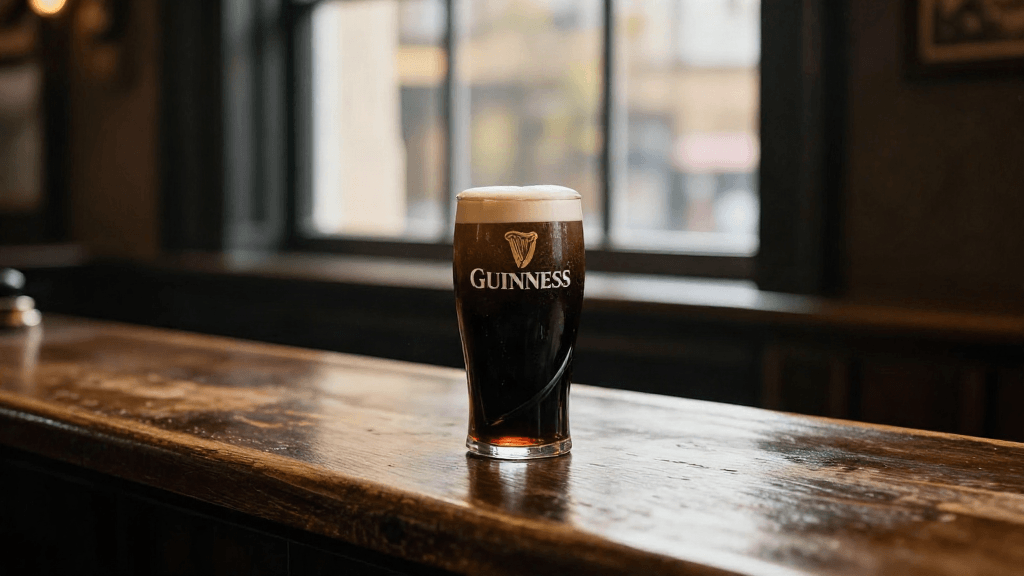
If you have ever stood at a pub counter, watching the slow, deliberate cascade of a pint of Guinness settle from dark ruby to that iconic black, you have probably wondered: who owns Guinness? It is a question that carries more weight than it first seems. The answer winds through 266 years of Irish history, a family dynasty that shaped a nation's identity, and a corporation that now carries the torch for a brand more famous than most flags.
Arthur Guinness: The Man Who Signed a 9,000-Year Lease
The story begins in 1759, when a 34-year-old Dublin entrepreneur named Arthur Guinness did something that would become the stuff of Irish legend. He signed a lease for the St. James's Gate Brewery — a disused, four-acre property that had been operating for just nine years before he took it over. The lease was for 9,000 years, at an annual rent of £45.
Nine thousand years. Arthur Guinness was either a visionary, an optimist, or simply a man who understood that a good pint does not rush. The brewery he took over was small, producing ale and table beer. It was not until the 1770s — more than a decade into his tenancy — that he began brewing the dark stout that would eventually carry his name around the world.
Arthur was not just a brewer. He was a man of principle — a committed Catholic in a Dublin still governed by the Penal Laws that restricted Catholic enterprise. He employed workers regardless of their religion, paid fair wages, and built a business that treated its people with a decency rare for the 18th century. By the time he died in 1803, Guinness was already a Dublin institution. The dynasty had begun.
The Guinness Dynasty: 266 Years of Family Stewardship
What followed is one of the most remarkable family business stories in modern history. For over two centuries, the Guinness family ran the brewery. Arthur's son, also named Arthur, took over and drove the expansion that turned Guinness into a national export. His grandson, Sir Benjamin Guinness, grew the brand through the 19th century, building the brewery into the largest in the world.
The Guinness dynasty was not without its personalities. Edward Guinness, the 1st Earl of Iveagh, was a philanthropist who donated millions to housing and education in Dublin. His son, Rupert Guinness, served in both World Wars and carried the family legacy through some of the darkest years of the 20th century. Each generation added something — a new market, a new innovation, a new chapter in the story.
By the mid-20th century, Guinness was more than a beer. It was an Irish passport. Wherever the diaspora went, Guinness followed. The brand became shorthand for Ireland itself — a pint of belonging that connected Dublin to Boston, London to Sydney, and every pub in between.
Where Guinness Stands Today
So who owns Guinness today? The short answer is Diageo, the British multinational beverage company. In 1997, Guinness plc — by then a sprawling global conglomerate that had absorbed brands like Johnnie Walker and Bailey's — merged with Grand Metropolitan to form Diageo. The Guinness family's direct stewardship ended, 238 years after Arthur signed that lease.
But the longer answer is more interesting. Diageo may own the company, but the Guinness brand belongs to something bigger than any corporation. It belongs to the culture Arthur Guinness helped create — the ritual of the pour, the craft of the perfect settle, the conversation that happens over a pint. Diageo understands this. The St. James's Gate Brewery still produces the beer. The recipe still follows the traditions Arthur established. The brand's marketing still leans into the heritage that makes Guinness unlike any other beer on earth.
Today, Guinness is sold in over 150 countries, and St. James's Gate remains one of the most visited tourist attractions in Ireland. The 9,000-year lease still has, give or take, about 8,834 years to run.
What the Guinness Story Means
Arthur Guinness did not just build a brewery. He built a vessel for identity. Every pint poured is a continuation of a story that began when a young Dublin brewer looked at a dilapidated factory and saw something no one else could — the future of Irish hospitality, craftsmanship, and pride.
That is the story we tell in Pints and Power. It is a book about what happens when a simple act — raising a glass — becomes an act of cultural memory. Arthur Guinness understood that a pint can hold more than beer. It can hold history, belonging, and a bit of truth.
The next time someone asks who owns Guinness, you can answer: Diageo owns the company. But the story? That belongs to Arthur, to Dublin, and to everyone who has ever watched a pint settle and felt, for a moment, connected to something older than themselves.

Comments ()