

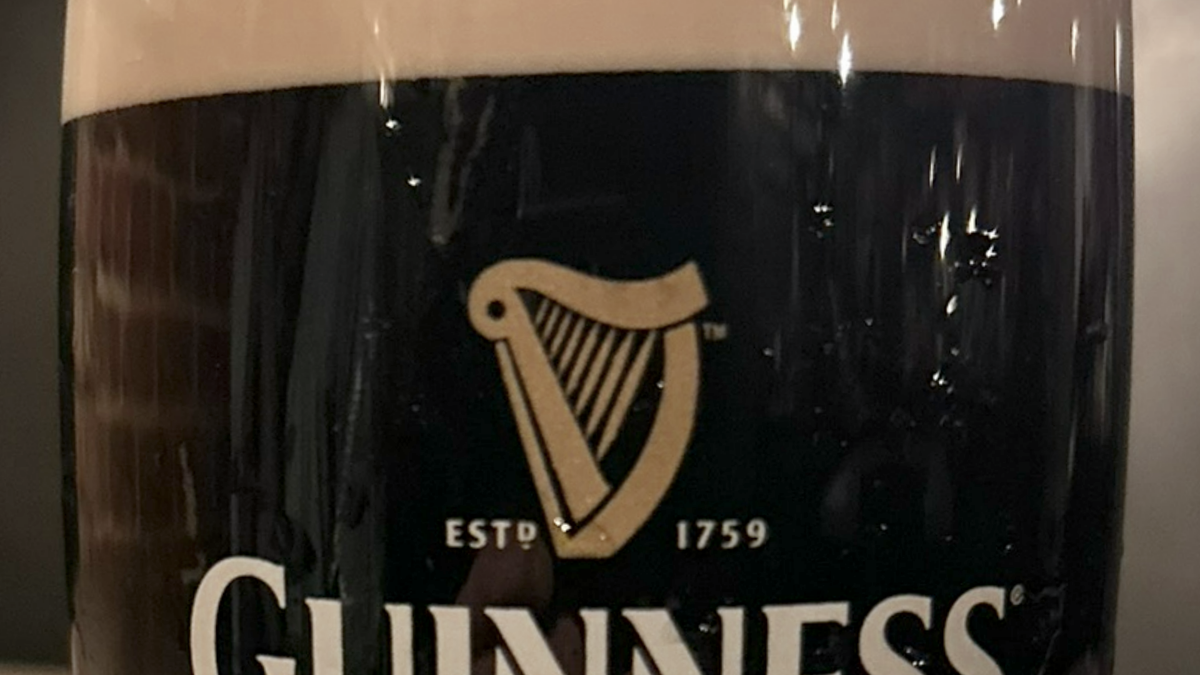
Guinness gets called the black stuff, but hold it to the light and it glows dark ruby red. Here’s why—and why the reveal feels like a little dawn of awareness.
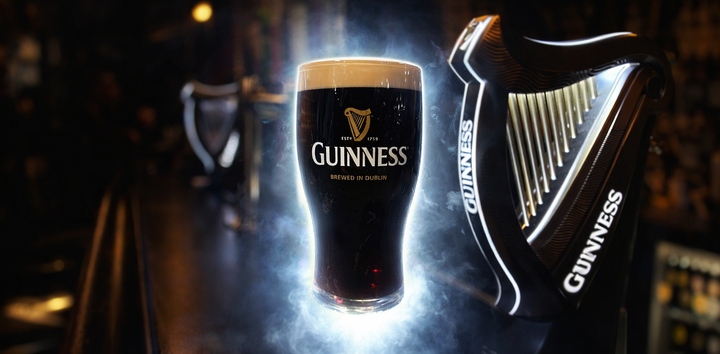
Guinness gets called the black stuff for a reason. In a pub, under warm lights, in a full pint, it reads as midnight. But tip the glass toward a window, let the light hit the edges, and something shifts. The “black” turns into a deep, dark ruby red. For a lot of people, that moment lands like a small dawn of awareness: How did I never see that before? It’s one of the quiet, alluring bits of Guinness magic.
So what’s going on in the glass? Why does Guinness look black? Why does it glow red at the rim? And what is it about stout and porter, in general, that gives them that dark, familiar look? Settle in. Let’s pour a pint and see.
Quick answer: roast + the way the pint holds the light
Guinness looks black because it’s built on roasted grain. Roast brings color, and a full pint doesn’t let much light through.
That’s the whole trick, really:
- In the middle of the glass, the beer is deep, so it looks nearly black.
- At the rim, the beer is thinner, so light sneaks through and you catch that ruby-red glow.
It’s not a gimmick. It’s just Guinness rewarding the person who bothers to look.
Why Guinness is black: the roast that built the legend
Guinness gets its color from roasted barley. Think of it like toast. The more you toast something, the darker it gets. Barley is no different.
That roast is doing two things at once:
- Color: it deepens the beer until it reads as black in a full pour.
- Character: it adds those familiar notes people reach for when they describe Guinness—coffee, cocoa, a little dry bite.
You don’t need a lab to understand it. You’ve tasted roast your whole life.
Why it turns ruby red when you hold it to the light
Here’s the part that feels like a secret, even though it’s been in front of us the whole time.
When you lift a pint and tilt it toward a bright window, you’re not looking through the whole beer anymore. You’re looking through the edge. And at the edge, Guinness isn’t just black. It’s garnet. It’s dark ruby. It’s the color of old wood and late sunsets.
That’s why the reveal hits people the way it does. It’s not that the pint changed. You did. You finally gave it the right light.
Porter vs stout: same family, same darkness
Porter and stout are close relatives. Both live in the world of roasted grain and pub warmth. If you’ve ever held either up to the light, you’ve probably seen the same thing: black at the center, red at the edges.
The details can vary—some lean sweeter, some lean drier—but the color story stays familiar. Roast makes the night. Light finds the ruby.
The pint moment: a small ritual of perception
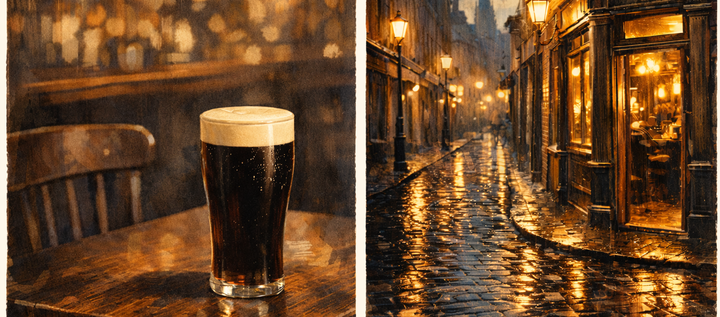
There’s something fitting about Guinness revealing itself slowly. The pint settles. The head forms. The beer darkens in the center and glows at the edges. And if you take the extra second to lift it toward the light, you get that second layer of the ritual: the realization that “black” was never the whole truth.
If you want to try it intentionally, pour a pint, let it settle, then tilt the glass toward a bright window. Watch the rim. That ruby red isn’t a trick. It’s the roast, the light, and the way Guinness rewards attention.

Comments ()